Planning to upgrade your home’s exterior? One of the first questions homeowners ask is, “How much does vinyl siding installation cost?” The answer depends on several factors, including your home’s size, material quality, labor, and any repairs needed before installation.
Vinyl siding remains one of the most popular exterior cladding options because it offers excellent durability, weather resistance, and curb appeal without the high maintenance requirements of wood siding. Whether you’re replacing old siding or installing new siding on a recently built home, understanding the costs involved helps you plan your budget and avoid unexpected expenses.
This guide explains everything you need to know about vinyl siding installation cost in 2026, including pricing factors, hidden costs, and ways to maximize your investment.
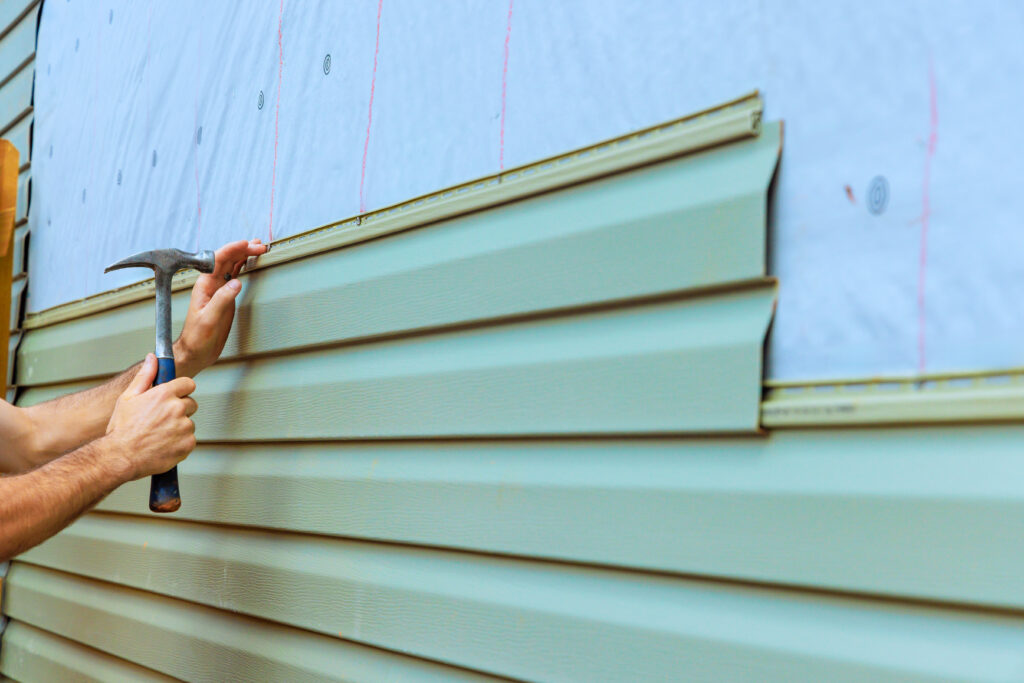
Average Vinyl Siding Installation Cost
On average, homeowners can expect vinyl siding installation costs to range between:
| Project | Average Cost |
|---|---|
| Vinyl siding per square foot | $3–$12+ |
| Small home | $6,000–$10,000 |
| Medium-sized home | $10,000–$18,000 |
| Large home | $18,000–$30,000+ |
The final price depends on the home’s size, siding style, insulation options, labor rates, and project complexity.
Factors That Affect Vinyl Siding Installation Cost
No two siding projects are exactly alike. Several important factors determine the final investment.
1. Home Size
The larger your home, the more siding materials and labor will be required.
More exterior wall space means:
- More vinyl panels
- Additional trim pieces
- Higher labor hours
- Increased installation costs
Homes with multiple stories or complex architectural designs generally cost more to complete.
2. Material Quality
Vinyl siding comes in different thicknesses and quality levels.
Premium siding typically offers:
- Better impact resistance
- Improved fade protection
- Stronger wind resistance
- Longer lifespan
Although premium materials cost more initially, they often reduce maintenance and replacement expenses over time.
3. Labor Costs
Professional installation represents a significant portion of the overall budget.
Experienced installers ensure:
- Proper alignment
- Moisture protection
- Secure fastening
- Manufacturer warranty compliance
Choosing qualified vinyl siding contractors helps prevent costly installation mistakes.
4. Existing Siding Removal
If your home already has damaged or outdated siding, removal may be necessary before installing new materials.
Additional expenses may include:
- Demolition
- Disposal fees
- Surface preparation
- Structural repairs
These costs should be included when planning your renovation budget.
5. Insulation Upgrades
Many homeowners choose insulated vinyl siding to improve energy efficiency.
Benefits include:
- Lower heating costs
- Reduced cooling expenses
- Improved indoor comfort
- Better sound insulation
Although insulated siding increases the upfront investment, it may reduce long-term utility bills.
Hidden Costs Homeowners Should Know
Many siding estimates don’t include every possible expense.
Common hidden costs include:
- Building permits
- Waste disposal
- Wall repairs
- Flashing replacement
- Custom trim installation
- Soffit and fascia repairs
- Window and door wrapping
Discuss these items with your contractor before work begins.
Vinyl Siding vs. Wood Siding
Many homeowners compare vinyl siding with traditional wood siding before making a decision.
| Feature | Vinyl Siding | Wood Siding |
|---|---|---|
| Cost | Lower | Higher |
| Maintenance | Low | High |
| Painting Required | No | Yes |
| Pest Resistance | Excellent | Poor |
| Moisture Resistance | Excellent | Moderate |
| Lifespan | 20–40+ years | Varies with maintenance |
Vinyl siding offers a more affordable, low-maintenance solution while still providing excellent curb appeal.
Should You Repair or Replace Vinyl Siding?
Not every damaged section requires complete replacement.
Repairs are ideal when:
- Minor cracks exist
- Small holes appear
- Individual panels are loose
- Storm damage affects limited areas
Replacement is recommended when:
- Large sections are damaged
- Water infiltration has occurred
- Mold develops behind the siding
- Multiple panels are deteriorating
- The siding has reached the end of its lifespan
A professional inspection can help determine the most cost-effective option.
Benefits of Vinyl Siding
Modern vinyl siding offers numerous advantages for homeowners.
Improved Energy Efficiency
Insulated vinyl siding helps reduce heat loss and improve indoor comfort.
Low Maintenance
Unlike wood siding, vinyl doesn’t require frequent painting or staining.
Weather Protection
Vinyl withstands rain, snow, humidity, and UV exposure with minimal maintenance.
Increased Property Value
A professionally installed siding system enhances curb appeal and may improve resale value.
Long Service Life
Quality vinyl siding can last 20–40 years or longer with proper installation and routine maintenance.
How to Save Money on Vinyl Siding Installation
Homeowners can reduce overall project costs by:
- Comparing multiple contractor estimates
- Scheduling projects during slower seasons
- Choosing durable mid-range materials
- Completing necessary repairs early
- Selecting experienced installers
Focusing on quality installation often saves more money than choosing the lowest bid.
Conclusion
Understanding vinyl siding installation cost helps homeowners make informed decisions before beginning an exterior renovation project. While pricing depends on material selection, labor, home size, and project complexity, professionally installed vinyl siding provides long-lasting protection, energy efficiency, and excellent curb appeal.
Investing in quality materials and experienced installers helps maximize the lifespan of your siding while reducing future maintenance costs.
Frequently Asked Questions
How much does vinyl siding installation cost?
Most homeowners spend between $3 and $12+ per square foot, depending on materials, labor, and project complexity.
What affects vinyl siding installation cost the most?
The biggest pricing factors include home size, siding quality, labor rates, insulation, and existing siding removal.
Does vinyl siding increase home value?
Yes. Professionally installed vinyl siding improves curb appeal, increases energy efficiency, and may enhance resale value.
How long does vinyl siding last?
Quality vinyl siding typically lasts 20–40 years with proper installation and routine maintenance.
Is vinyl siding worth the investment?
Yes. Vinyl siding offers excellent durability, low maintenance, weather resistance, and long-term value, making it one of the most cost-effective exterior remodeling options.