Your home’s exterior is constantly exposed to harsh weather conditions, from intense UV rays and heavy rainfall to strong winds and humidity. That’s why choosing the right siding material is essential for both protection and long-term value.
When comparing vinyl siding vs. wood siding, homeowners often consider factors like durability, cost, maintenance, and appearance. Both options offer unique advantages, but the right choice depends on your budget, lifestyle, and design preferences.
In this guide, we’ll break down everything you need to know to confidently choose the best siding for your home.
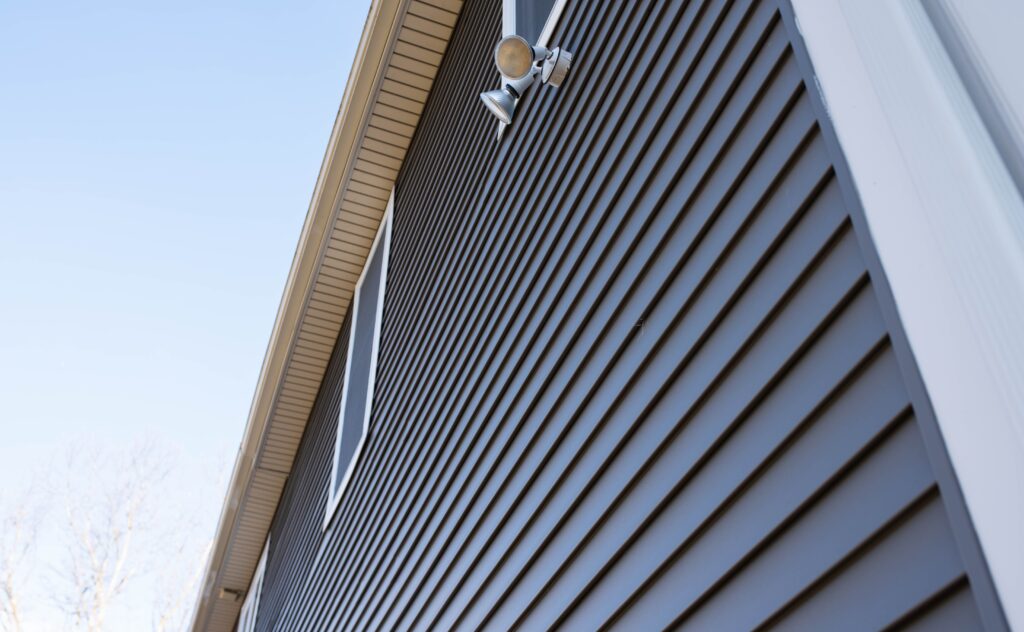
Vinyl vs. Wood Siding: Key Factors to Consider
If you’re planning a home exterior upgrade, understanding how these materials differ will help you make a smarter investment. Let’s explore the most important aspects.
1. Installation Cost
Budget is often the first deciding factor for homeowners.
- Vinyl siding is more affordable, typically costing $3–$8 per square foot installed.
- Wood siding is more expensive, ranging from $7 to $15 per square foot, depending on the type of wood.
Best choice:
- Go with vinyl if you want a cost-effective solution.
- Choose wood if you’re aiming for a premium finish and have a flexible budget.
2. Durability and Weather Resistance
Durability plays a major role in long-term performance.
- Vinyl siding is resistant to moisture, pests, and harsh weather conditions.
- Wood siding, while strong, is vulnerable to rot, insects, and water damage if not properly maintained.
Best choice:
Vinyl siding is the better option for low-risk, long-lasting protection.
3. Maintenance Requirements
Maintenance can significantly impact your time and expenses over the years.
- Vinyl siding requires minimal upkeep, just occasional cleaning with soap and water.
- Wood siding needs regular staining, sealing, and repairs to maintain its look and durability.
Best choice:
- Choose vinyl for low-maintenance living.
- Choose wood if you don’t mind ongoing upkeep for a natural appearance.
4. Installation Time
Project timeline is another important factor, especially for homeowners on a schedule.
- Vinyl siding installation typically takes 3–7 days.
- Wood siding installation may take 7–10 days due to more detailed craftsmanship.
Best choice:
Vinyl is ideal for faster project completion, while wood takes longer but offers a custom feel.
5. Aesthetic Appeal
Your siding defines your home’s visual identity.
- Wood siding offers a timeless, natural, and rustic look that many homeowners love.
- Vinyl siding comes in a wide range of colors and styles, even mimicking wood textures.
Best choice:
- Go for wood if you want authentic natural beauty.
- Choose vinyl for versatility and modern design options.
6. Lifespan
Longevity is crucial when investing in exterior materials.
- Vinyl siding lasts around 30–40 years with minimal maintenance.
- Wood siding typically lasts 15–30 years, depending on care and climate conditions.
Best choice:
Vinyl provides a longer lifespan with less effort.
7. Repair Costs
Unexpected damage can impact your budget.
- Vinyl siding repairs are usually simple and cost around $100–$300 per panel.
- Wood siding repairs can be more expensive due to sanding, staining, and rot treatment—often $9+ per square foot.
Best choice:
Vinyl is more budget-friendly for repairs.
8. Impact on Property Value
If resale value is important, siding choice matters.
- Wood siding is considered a premium material and can increase property value.
- Vinyl siding improves curb appeal but doesn’t significantly boost resale value.
Best choice:
Choose wood siding if your goal is to maximize home value.
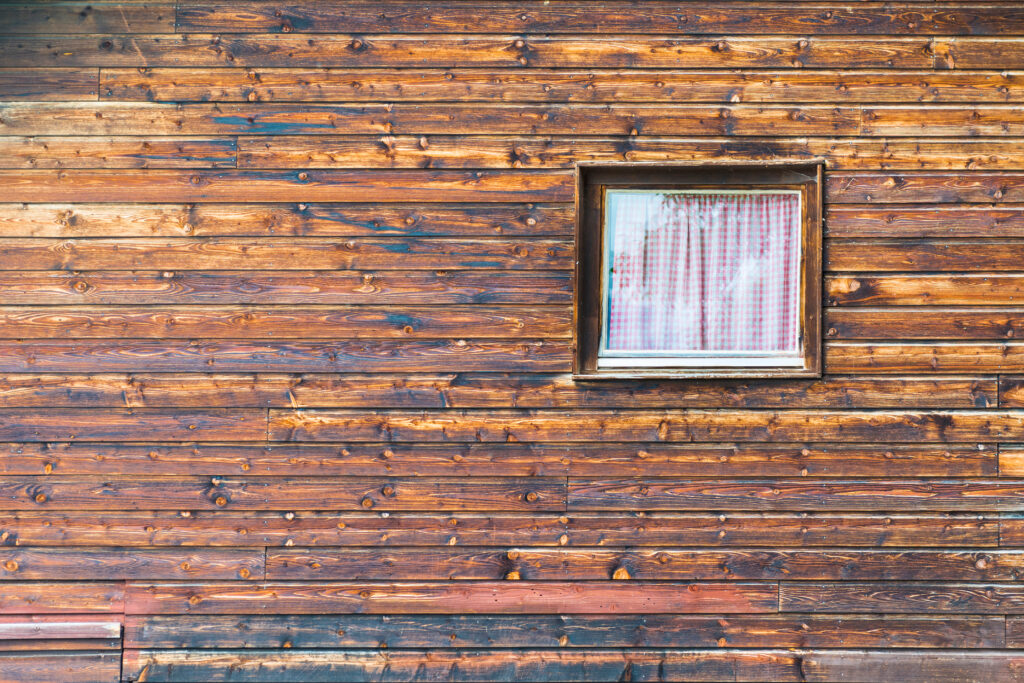
Final Verdict: Which Siding Should You Choose?
Both vinyl and wood siding offer distinct advantages, and the best option depends on your priorities.
Choose vinyl siding if you want:
- Affordable installation
- Low maintenance
- Long lifespan
- Weather resistance
Choose wood siding if you want- Natural, premium appearance
- Higher property value
- Custom, high-end aesthetics
Ultimately, your decision should align with your budget, lifestyle, and long-term goals. A professional siding contractor can also help you evaluate your home’s specific needs before installation.
FAQs
1. What type of vinyl siding works best in humid climates?
Insulated or thick-gauge vinyl siding performs best in humid environments due to its moisture resistance and durability.
2. What finishes are suitable for wood siding?
You can use oil-based stains, acrylic finishes, or solid stains to protect and enhance wood siding.
3. Can I install vinyl siding on my own?
Yes, but it requires proper tools, skills, and patience. For best results, professional installation is recommended.
4. Which siding is more eco-friendly?
Wood siding is more environmentally friendly, as it’s a natural and biodegradable material, while vinyl is synthetic.
5. Which siding performs better in extreme weather?
Vinyl siding generally performs better in extreme weather conditions due to its resistance to moisture, wind, and pests.