
Choosing the right tile is not a cosmetic decision—it directly affects durability, maintenance costs, safety, and long-term value. Homeowners and commercial property owners often struggle to decide between porcelain and ceramic tile because both look similar on the surface, yet perform very differently in real-world conditions. Understanding these differences is critical if you want floors or walls that last, especially in high-traffic or moisture-prone areas. At Trade Medics in Westlake, OH, we’ve installed and repaired thousands of tile surfaces, and the wrong tile choice is one of the most common (and costly) mistakes we see. This guide breaks down porcelain vs ceramic tile using real installation experience, performance data, and practical use cases—so you can make a confident, informed decision.
Understanding Ceramic Tile
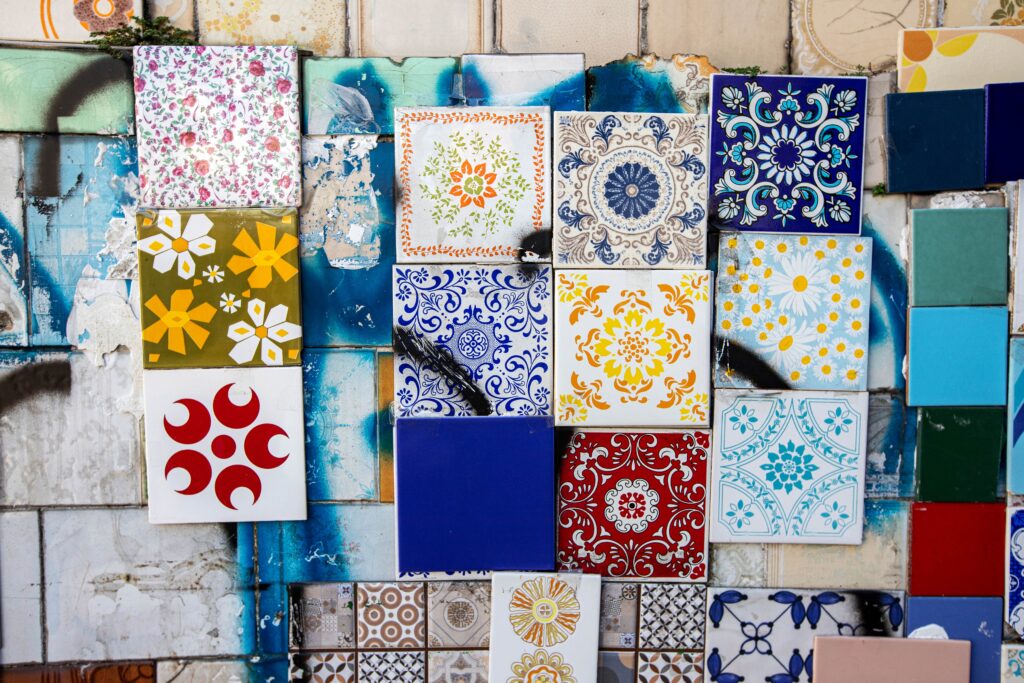
These types of tiles are made from natural clay materials, kiln-fired at lower temperatures than porcelain. This results in a tile that is slightly more porous, lighter, and easier to cut and install.
Key Characteristics
- Made from red or white clay
- Glazed surface for color and protection
- Higher water absorption rate than porcelain
- Softer body, easier to cut and shape
- Typically more affordable
Moreover, this tile is widely used in residential kitchens, backsplashes, bathrooms, and wall applications. Its versatility, design variety, and cost-effectiveness make it a top choice for homeowners who prioritize aesthetics and ease of installation.
Understanding Porcelain Tile
Porcelain tile is technically a subtype of ceramic, but it is manufactured with refined clay and fired at much higher temperatures, making it denser and more durable.
Key Characteristics
- Lower water absorption (<0.5%)
- Extremely dense and hard
- Suitable for indoor and outdoor use
- Highly resistant to stains, scratches, and frost
- More difficult to cut and install
Porcelain tile is often used in commercial flooring, outdoor patios, high-traffic areas, and wet environments where performance matters more than cost.
Ceramic Tile vs Porcelain Tile: Core Differences
1. Durability & Strength
- Ceramic Tile: Durable enough for residential use but can chip under heavy impact.
- Porcelain Tile: Superior hardness and wear resistance; ideal for heavy foot traffic.
Winner
Porcelain tile for longevity and impact resistance.
2. Water & Moisture Resistance
- Ceramic Tile: More porous, requires proper sealing in wet areas.
- Porcelain Tile: Almost waterproof; performs exceptionally in bathrooms, kitchens, and outdoors.
Winner
Porcelain tile for moisture-heavy environments.
3. Installation & Labor Costs
- Ceramic Tile: Easier to cut, faster installation, lower labor cost.
- Porcelain Tile: Requires specialized tools and experienced installers.
Winner
Ceramic tile for affordability and faster installs.
4. Design & Aesthetics
- Ceramic Tile: Wider range of colors, patterns, and decorative finishes.
- Porcelain Tile: Excels in stone-look, wood-look, and realistic textures.
Winner
Tie—depends on design preference.
5. Maintenance & Cleaning
- Ceramic Tile: Easy to clean, but grout lines may stain over time.
- Porcelain Tile: Extremely low maintenance and stain-resistant.
Winner
Porcelain tile for long-term ease.
Where Ceramic Tile Performs Best
This type of tile is the smarter choice when:
- Budget is a primary concern
- Installation speed matters
- The area has moderate foot traffic
- Walls, backsplashes, and decorative surfaces are involved
- You want more color and pattern flexibility
Common Applications
- Kitchen backsplashes
- Bathroom walls
- Laundry rooms
- Residential flooring with light traffic
Where Porcelain Tile Is the Better Option
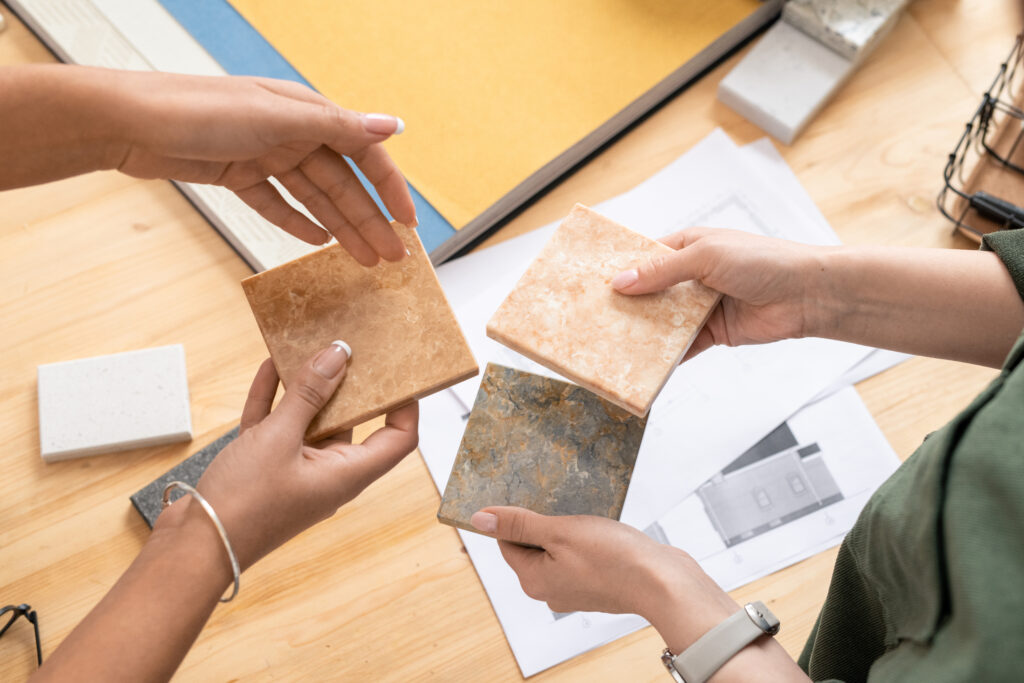
Porcelain tile outperforms ceramic when:
- Moisture exposure is high
- Durability is critical
- Outdoor or commercial use is required
- Long-term ROI matters more than upfront cost
Common Applications
- Shower floors
- Entryways
- Commercial spaces
- Outdoor patios
- High-traffic hallways
Cost Comparison: Ceramic Tile vs Porcelain Tile
| Factor | Ceramic Tile | Porcelain Tile |
| Material Cost | Lower | Higher |
| Installation Cost | Lower | Higher |
| Lifespan | Moderate | Long |
| Maintenance Cost | Moderate | Low |
Bottom line
Ceramic tile is cheaper upfront. Porcelain tile costs more initially but pays off over time.
Safety Considerations
Slip resistance varies by finish, not just material.
- Glazed ceramic tiles can be slippery when wet.
- Textured or matte porcelain tiles provide better traction.
Always check COF (Coefficient of Friction) ratings for wet areas.
Installer Experience Matters More Than Material
From Trade Medics’ field experience, improper installation causes more failures than poor tile choice. Poor subfloor prep, incorrect mortar, and rushed grout work can ruin even premium porcelain tile. Choosing the right installer is as important as choosing the right tile.
Ceramic Tile: Pros and Cons
Pros
- Affordable
- Easy to install
- Wide design selection
- Ideal for walls and light-use floors
Cons
- Less durable
- Higher water absorption
- Not ideal for outdoor use
Porcelain Tile: Pros and Cons
Pros
- Extremely durable
- Water and stain-resistant
- Suitable for indoor and outdoor use
- Long lifespan
Cons
- Higher cost
- More difficult installation
- Limited decorative styles compared to ceramic
Which Tile Should You Choose?
If your priority is budget, design flexibility, and ease of installation, ceramic tile is the better choice.
If your priority is durability, moisture resistance, and long-term performance, porcelain tile wins.
At Trade Medics, we evaluate traffic load, moisture exposure, and substrate conditions before recommending any tile—because one-size-fits-all advice leads to costly mistakes.
Conclusion
The porcelain vs. ceramic tile debate isn’t about which is universally better—it’s about which is better for your specific application. Moreover, these tiles remain a strong, cost-effective option for residential interiors and decorative surfaces, while porcelain tile dominates in durability, moisture resistance, and high-performance environments. Making the wrong choice can lead to premature wear, cracking, or water damage. Making the right one ensures longevity, safety, and value. With professional assessment and expert installation, both materials can deliver excellent results. Trade Medics helps homeowners and businesses select the right tile, install it correctly, and protect their investment for the long term.
FAQs
1. Is ceramic tile good for floors?
Yes, this type of tile works well for residential floors with light to moderate traffic but is not ideal for high-impact areas.
2. Which lasts longer: porcelain or ceramic tile?
Porcelain tile lasts longer due to its density and low water absorption.
3. Is ceramic tile waterproof?
Ceramic tile is water-resistant, not waterproof. Proper sealing is required in wet areas.
4. Can ceramic tile be used in showers?
Yes, but it’s better suited for shower walls than floors unless properly sealed.
5. Which tile is easier to install?
Ceramic tile is easier and cheaper to install compared to porcelain.